How to Protect Yourself from Catfishing
Catfishing is dangerous, but there are many ways to protect yourself. Here are some important safety tips to help you avoid being catfished online.
Do's and Don'ts
| Do | Don't |
|---|---|
| Check if a profile looks real | Don't trust someone you just met online |
| Ask to video call | Don't share personal information |
| Tell a parent or teacher if you feel unsafe | Don't send money to people you haven't met |
| Use privacy settings on social media | Don't accept friend requests from strangers |
| Report fake profiles to the platform | Don't share private photos |
Online Safety Checklist
- Use strong passwords for your social media accounts.
- Never click on suspicious links — they could be phishing attempts.
- Be careful what you share online. Catfishers use your information to trick you.
- If something feels wrong, trust your feelings and stop talking to that person.
- Always tell someone you trust if you are worried about an online relationship.
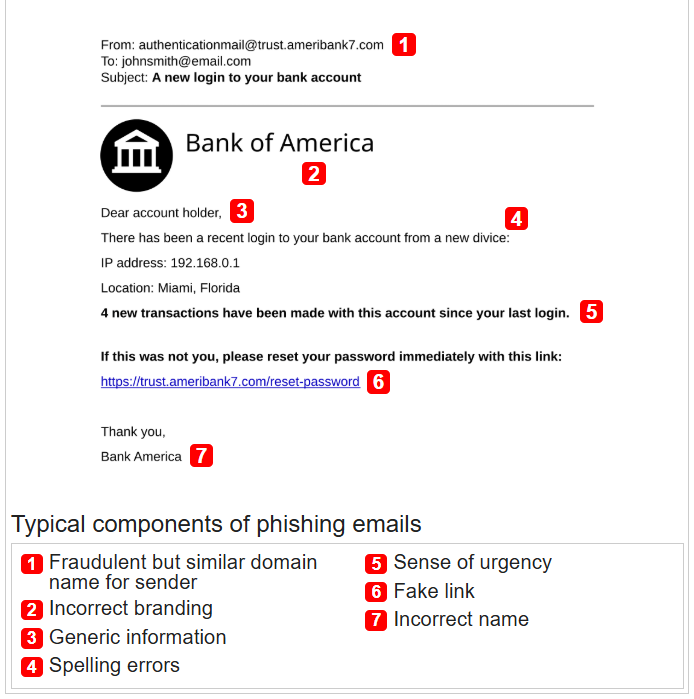
Typical Components of Phishing Emails
|
Catfishers often use phishing emails to trick their targets. These emails look real but are designed to steal your personal information. Always check the sender's email address and do not click on suspicious links. |
|
If you suspect you are being catfished or scammed, call the Hong Kong Anti-Scam Helpline at 18222. They provide advice and support for people who may have been tricked online.
What to Do If You Are Being Catfished
- Stop talking to the person immediately.
- Do not send them any more money or information.
- Tell a parent, teacher, or trusted adult.
- Report the profile to the social media platform.
- Block the person so they cannot contact you again.